Digital Inclusion in Birmingham: Challenges, Ideas and Next Steps
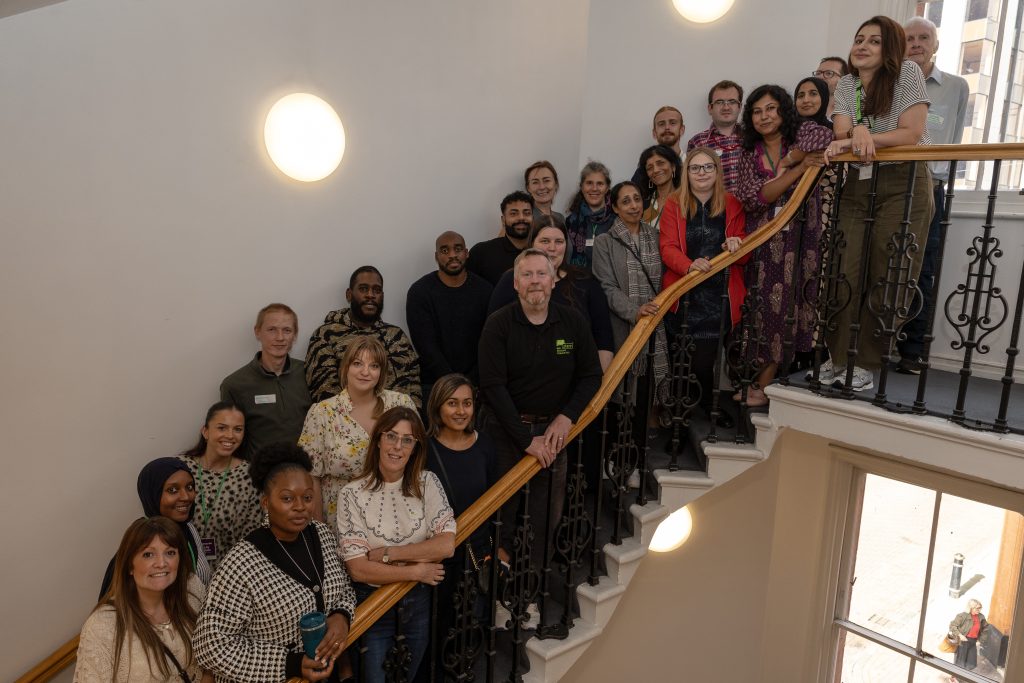
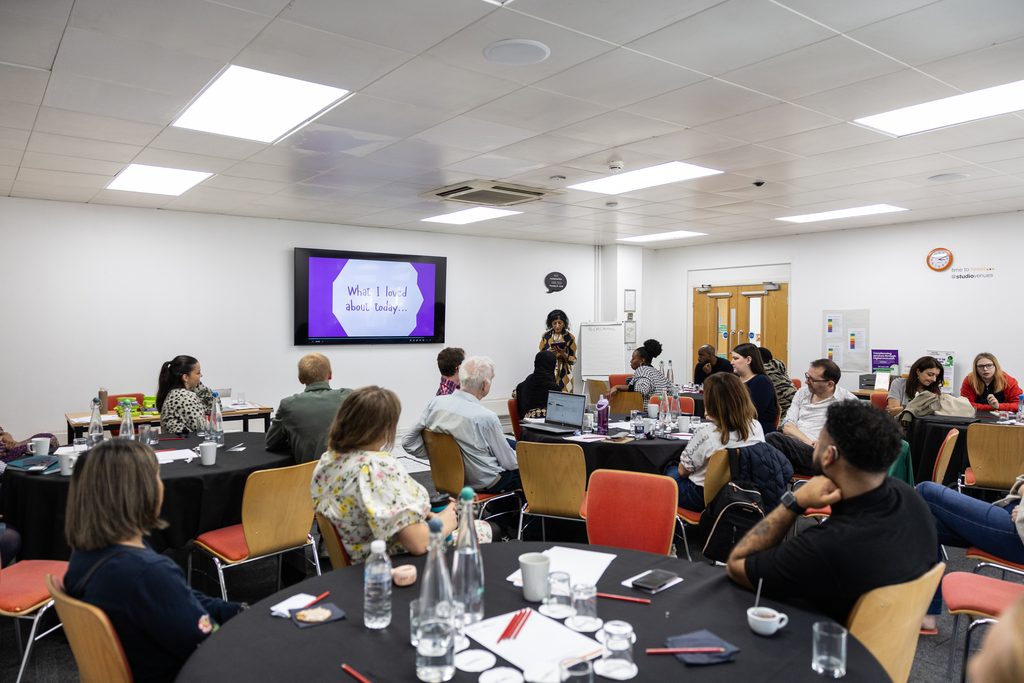
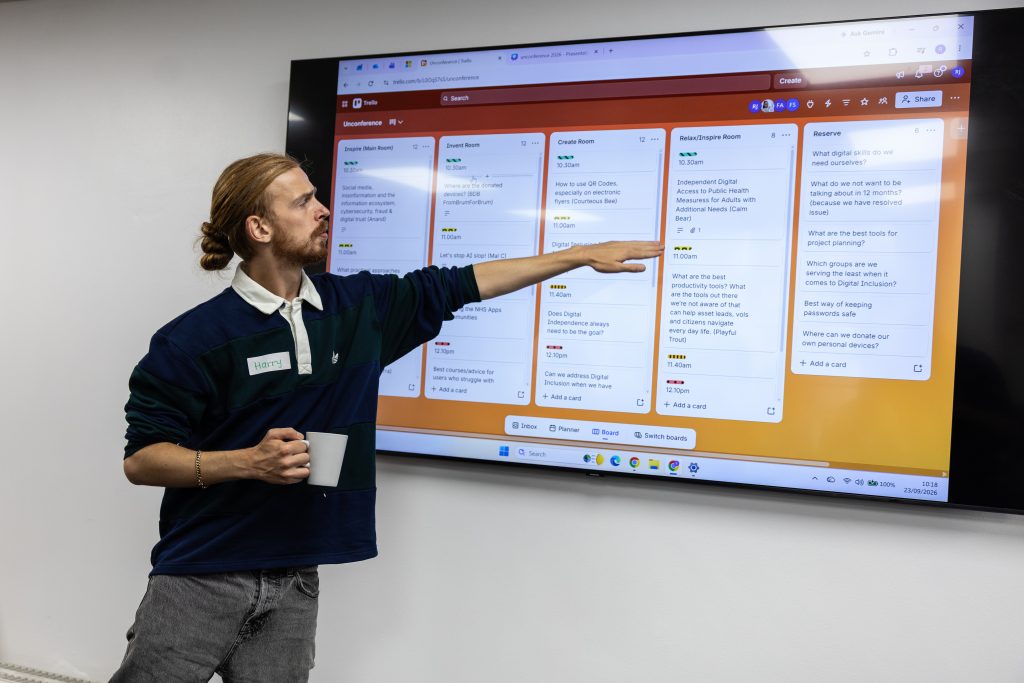
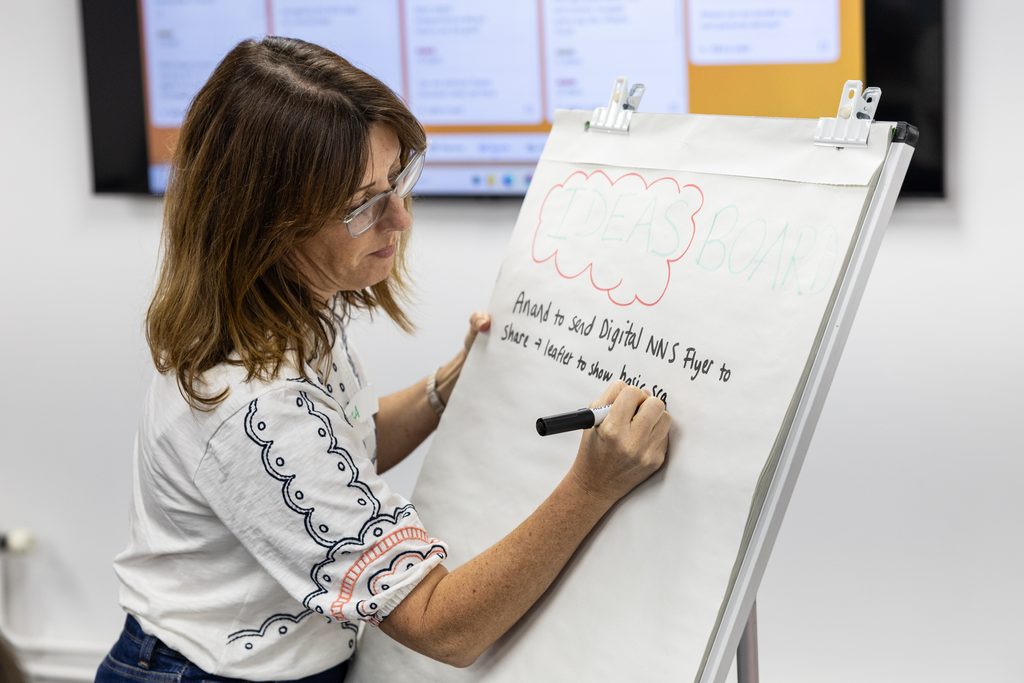
The Digital NNS Unconference is an opportunity for Birmingham’s Neighbourhood Network Schemes (NNS) to come together, share experiences and discuss the digital inclusion challenges facing the communities they support. This year, we wanted to bring more voices into those conversations. We reached beyond our usual NNS network through a communications campaign and an online Ideas Board, inviting community organisations, partners and people who couldn’t attend to share what they thought Birmingham needed to be talking about.
Their contributions raised questions about who we’re still not reaching with digital support, accessibility, online safety, access to devices, digital independence, AI and how community organisations can better support people.
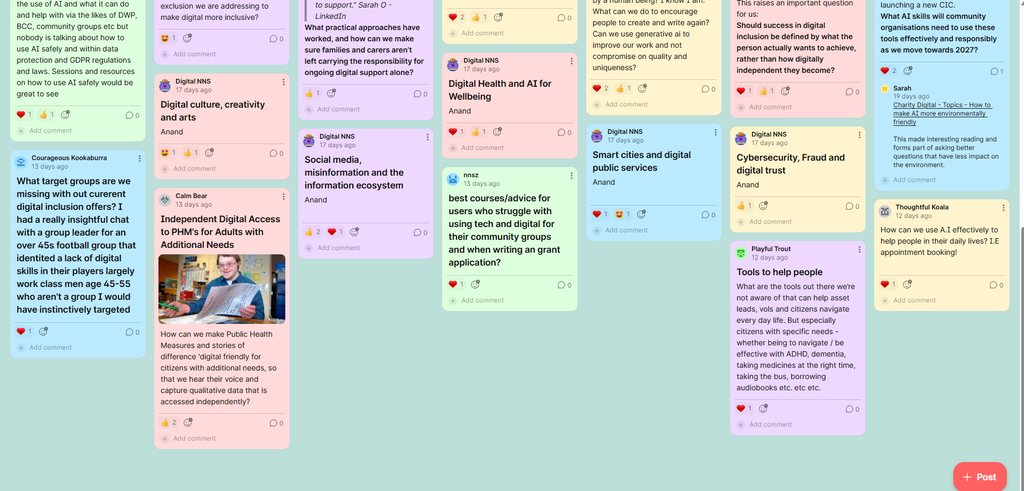
A full room, and plenty of conversation
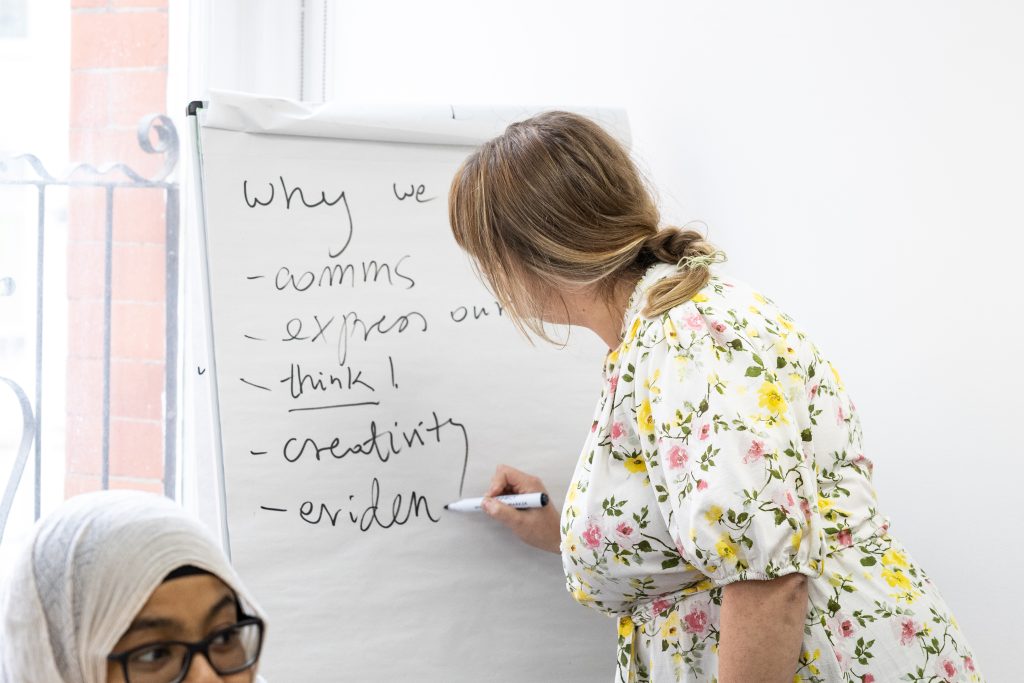
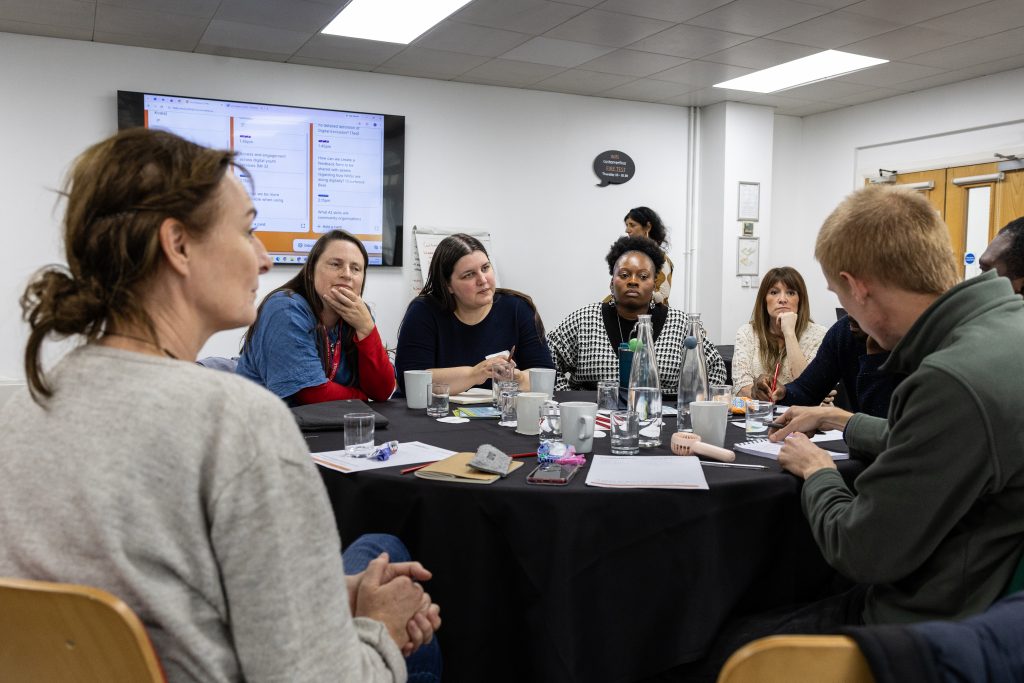
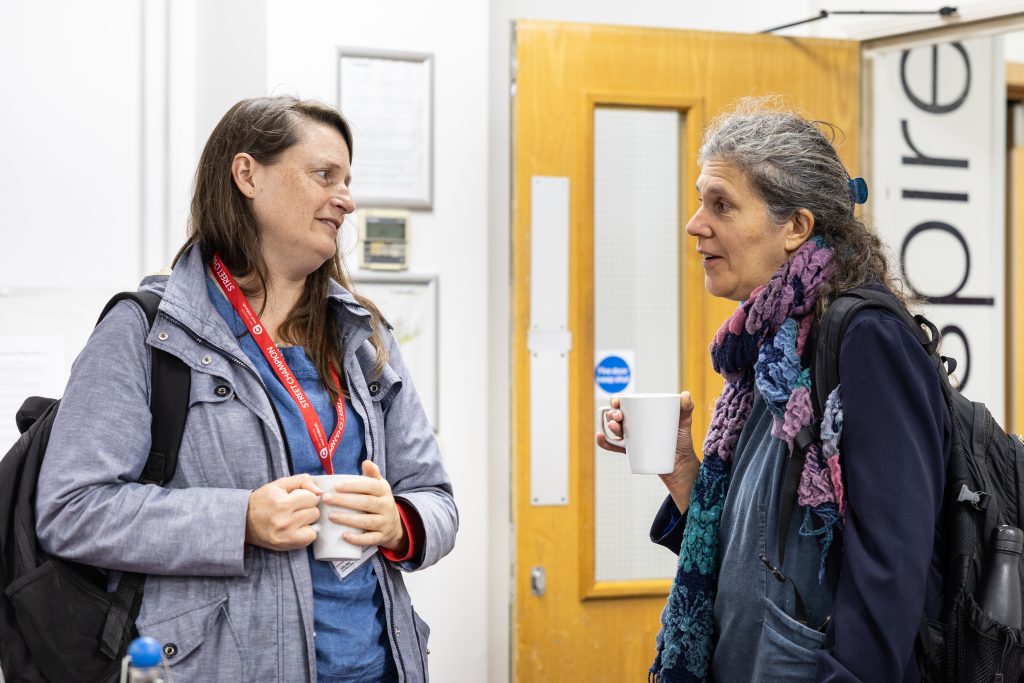
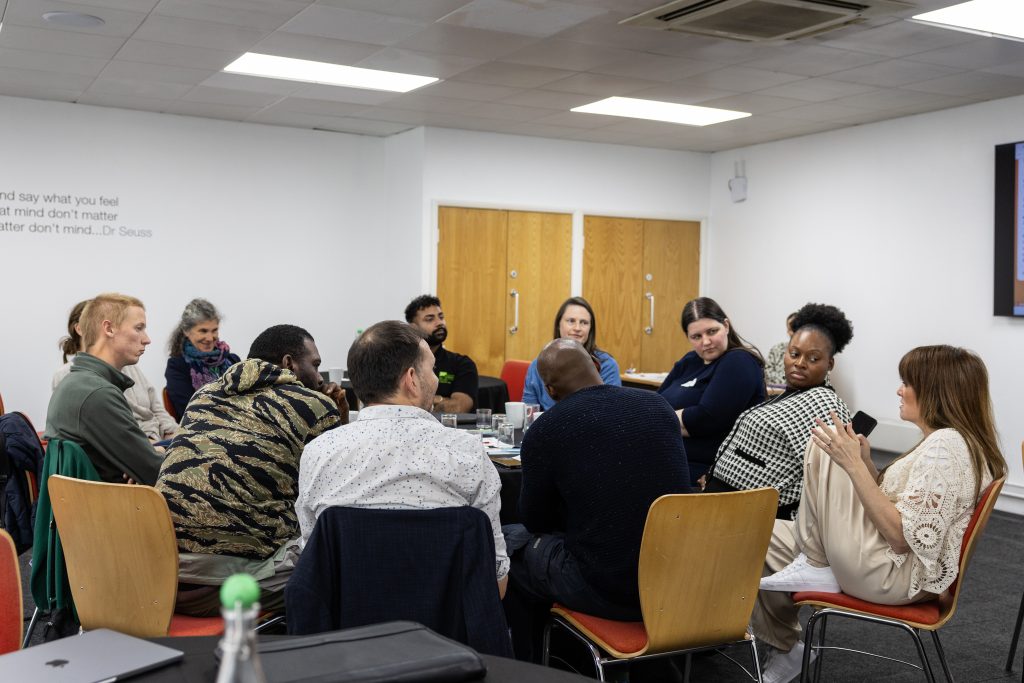
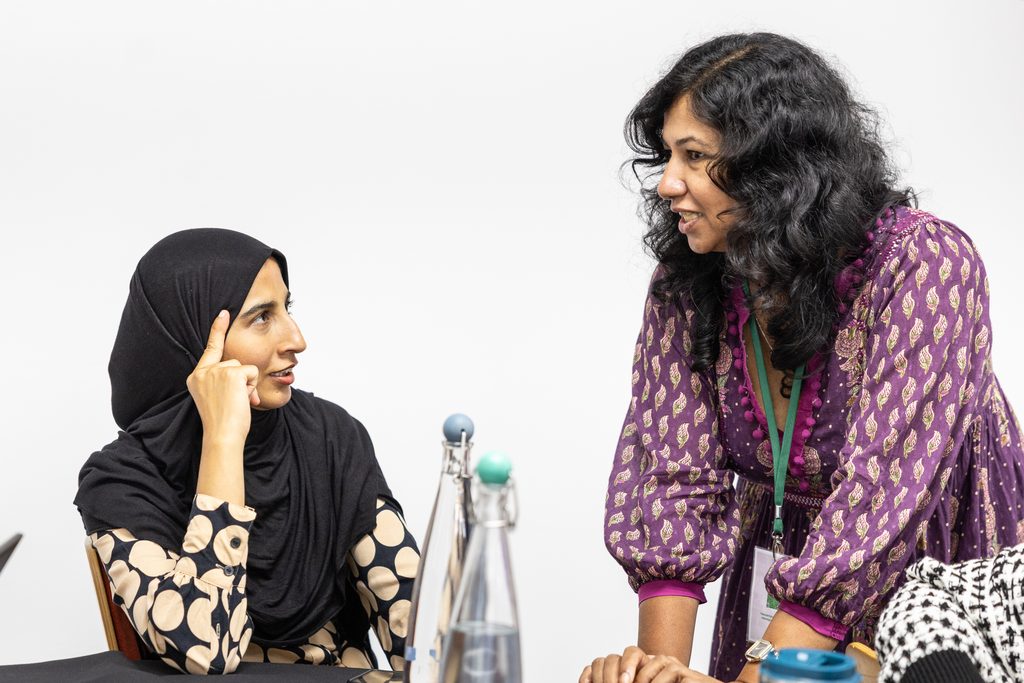
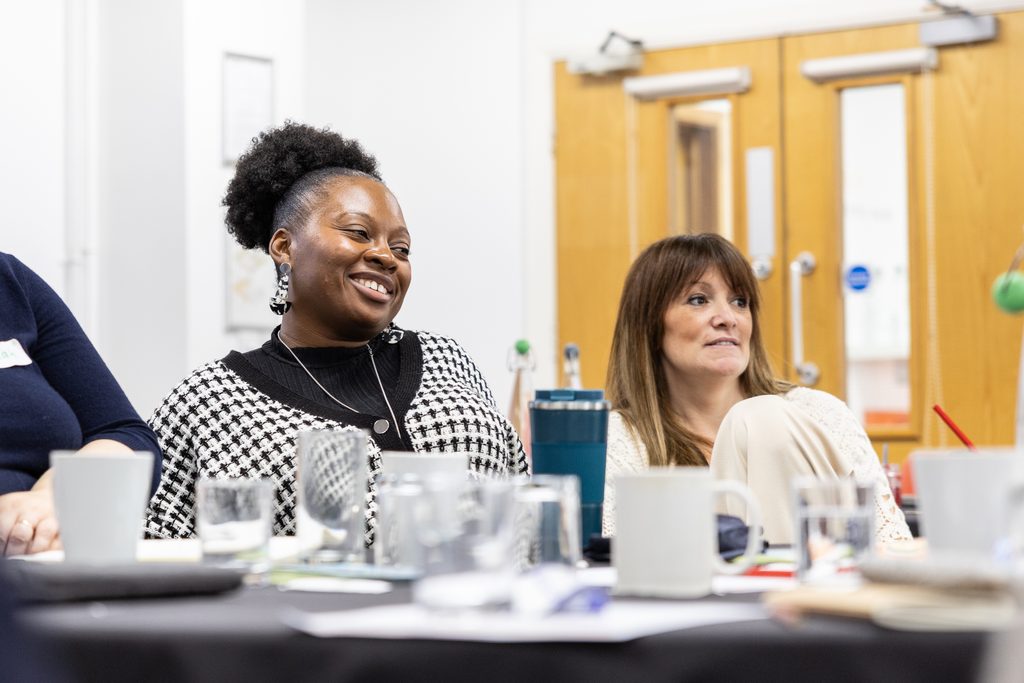
On the day, we had a full room, but attendance wasn’t the most important measure. Repeatedly, people told us they valued meeting others, hearing different perspectives and having open, honest conversations. One person summed it up simply:
“Hearing everybody’s views, experiences and realising we are not alone!”
People also valued the atmosphere and the opportunity to hear how other NNS teams and organisations are approaching similar challenges.
What we heard
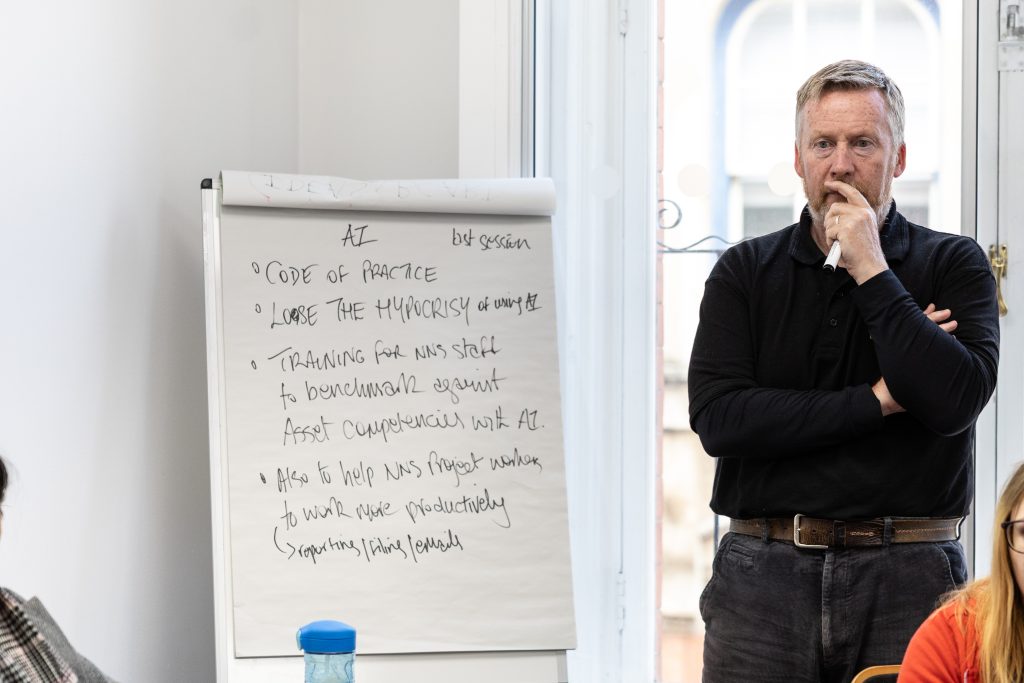
The Ideas Board and conversations gave us plenty to take away. Five themes particularly stood out.
- Digital support needs to meet people where they are: Bite-sized guidance, one-to-one help, accessible content and support at different times were all suggested. People need support that works around their individual circumstances.
- Trust and confidence matter: Scams, misinformation and cybersecurity came up repeatedly. There was a clear need for practical, easy-to-understand information that community organisations can use with the people they support.
- We need to understand who we’re missing: Working-age men and young adults with disabilities were among the groups raised. Discussions also suggested a simple shared tool that NNS teams and their assets could use to capture the digital barriers and support needs they’re hearing directly from communities.
- Digital inclusion keeps changing: From NHS apps and QR codes to AI and device sustainability, the digital challenges people encounter are evolving. Community organisations need support that evolves with them too.
- There’s value in learning from each other: People wanted more opportunities to share resources, experiences and good practice across NNS teams and community organisations. The conversations showed how useful it can be to connect with others facing similar challenges.
What happens next?
The conversations have given us three important things to take forward:
- Look more closely at who we’re missing. Explore the suggestion of a shared way for NNS teams and community organisations to record the digital barriers they’re hearing about, including from people who aren’t currently accessing support.
- Use what we’ve heard to shape future support. Review the suggestions around accessibility, online safety and changing technology to identify gaps in our existing resources and activities.
- Keep people connected. Build on the relationships made during the Unconference and look for opportunities to bring organisations together around shared challenges and ideas.
These are the areas we’ll explore with our team and partners.
The Unconference brought different perspectives into the same room. The next step is to make sure those perspectives influence what happens beyond it.

Let’s keep the conversation going.
Are you seeing digital barriers affecting the people you support? Or is there an area where your team could use more digital skills, confidence or practical support?
We’d love to hear from you. Get in touch with Digital NNS to tell us what you’re experiencing and explore how we can support you.